
| Threat Level: MEDIUM, Escalating Attackers have been hiding malicious code inside trusted software packages distributed through npm, the system developers use to build websites and applications. GitHub is restructuring npm security in response. |
What Happened
GitHub announced that npm version 12, due next month, will include security changes to stop supply-chain attacks triggered during standard software installs.
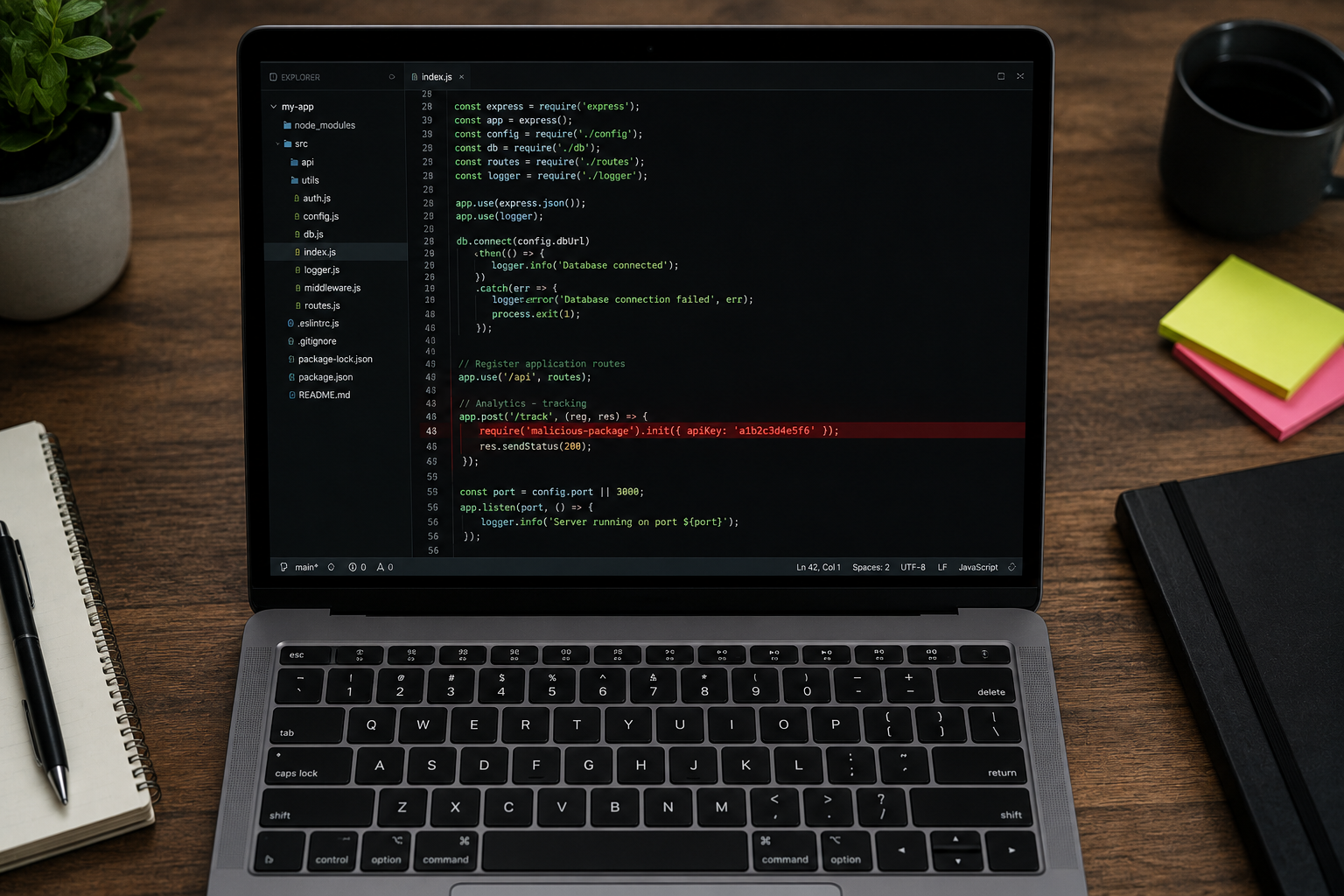
npm is the package manager developers use to pull in pre-built code when building apps and websites. Attackers are not breaking into npm by force. They publish malicious packages under names that closely resemble legitimate ones, or they compromise developer accounts and push malicious updates through trusted channels.
When a developer runs a standard install command, the malicious code executes automatically. A single compromised package spreads to every application built on it, and those applications carry the payload to their users.
Who This Affects
Small business owners and individuals who rely on web-based tools, e-commerce platforms, or custom-built applications are all downstream from this risk. The websites processing your orders, the apps managing your appointments, and the plugins running your blog are built on packages distributed through npm. When one of those packages is compromised, the infection travels through the entire chain silently.
WordPress site owners face a specific and concentrated risk. The WordPress plugin ecosystem is built heavily on npm-distributed code. A compromised dependency in one widely-used plugin touches hundreds of thousands of sites at once. Site owners have no visibility into this unless they are actively scanning.
What to Do
Keep Everything Updated
Supply-chain attacks are patched quickly once identified. Running the current version of your software closes most of the exposure. For WordPress sites, enable automatic plugin updates. Hosted platforms like Shopify and Squarespace manage dependencies on their end, which removes this risk from your plate entirely.
Add a Website Security Scanner
For any small business site handling customer data or payments, a dedicated scanner is a practical investment:
- Wordfence: Free to $119/year. Scans for malicious code injected through WordPress plugins and flags suspicious file changes in real time.
- Sucuri Website Security: ~$200/year. A web application firewall combined with continuous malware scanning. Filters traffic before reaching your server.
- Cloudflare Free Plan: Free. Blocks automated attack traffic and DDoS attempts before they reach your site.
For Anyone Managing a Technical Stack
- npm audit: A built-in command that checks installed packages against a database of known vulnerabilities. Takes under a minute to run.
- Socket.dev: Free tier available. Detects supply-chain attack indicators in npm packages before you install them.
| What to Do Right Now Keep your software and plugins updated. If you run a website, add Wordfence or Sucuri. The risk here comes from the code your software runs on, not from anything you did wrong. |